

On January 26, 2024, the Associated Press reported that the 25-year-old actress died of a severe peanut allergy after eating cookies. The cookies were reportedly not labeled as containing peanuts. The US Food and Drug Administration (FDA) stepped in and issued an emergency recall to avoid potential health risks. Many people find it hard to believe that he died from eating a peanut biscuit. In fact, many people go to the hospital every year because of food allergies.
· Early warning data
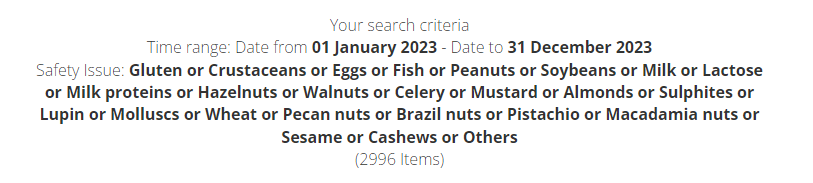
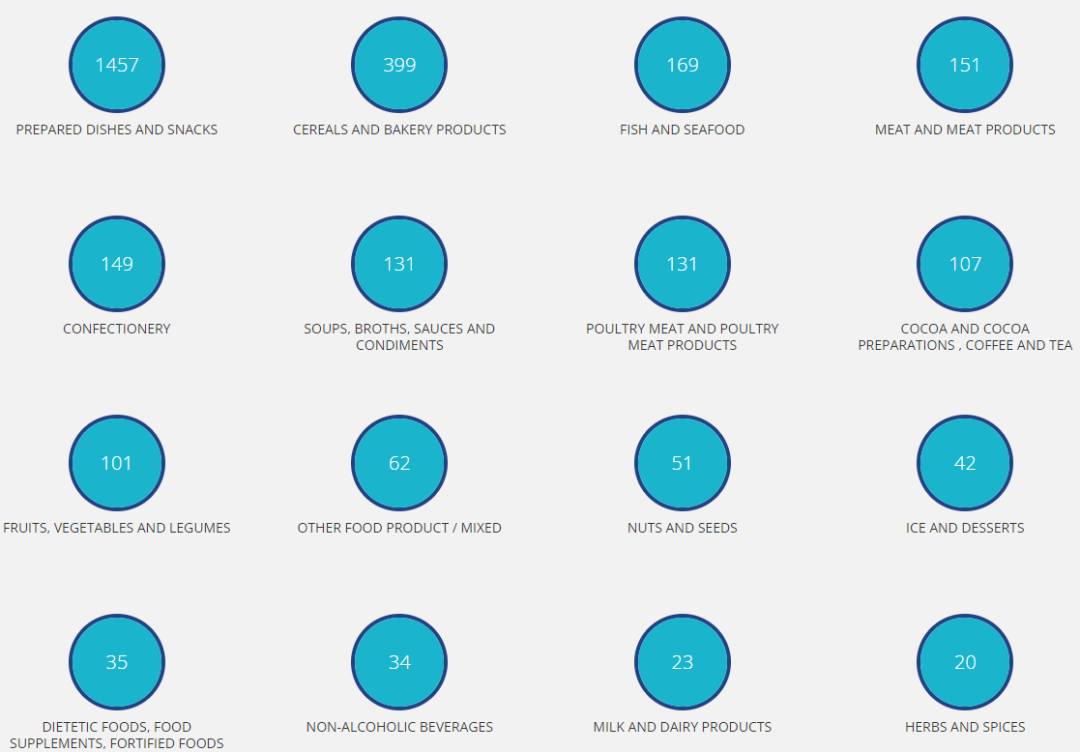
According to the safety HUD platform data of Merieux Nutrition Science Group covering dozens of countries and regions around the world, from January 1, 2023 to December 31, 2023, a total of nearly 3,000 products with non-standard or unlabeled allergens were monitored, mainly pre-packaged foods, cereal baked goods, seafood products, meat, candy and so on.
According to the report of the World Health Organization, about one in every four people in the world suffers from allergic diseases, of which food allergies account for the majority, and there is an increasing trend year by year.
It is estimated that 250 million people worldwide suffer from food allergies, with one in 20 children and one in 50 adults having food allergies. The main allergens are peanuts, milk, eggs, seafood and so on.
As a common and important allergen, peanuts can cause severe symptoms, including shock and even death. Peanuts are responsible for 90 percent of the deaths caused by food allergies. In the United States alone, more than 100 people die each year from anaphylactic shock caused by peanut allergy. Therefore, for food enterprises, it is very important to do a good job of food allergen detection and labeling.
· Common food allergens and hazards
Common food allergies include eggs, milk, peanuts, tree nuts, fish, shellfish, soy and wheat. These allergens can cause allergic reactions in humans, which can include itchy skin, rashes, difficulty breathing, nausea and vomiting, and in severe cases can be life-threatening.
Milk:
Cow's milk allergy is an overreaction of the body's immune system to cow's milk proteins. Common symptoms include skin rashes, eczema, abdominal pain and diarrhea.
Soybeans:
Soy allergy is related to the protein contained in soy, and the common symptoms are nausea and vomiting, but also accompanied by skin itching and rash.
Wheat:
Wheat allergy may refer to the human body is allergic to a specific component of wheat, such as wheat gluten, common symptoms are itchy skin, dizziness, nausea, vomiting, abdominal pain and diarrhea.
Nuts:
Nut allergy is usually because the body is allergic to the plant protein contained in nut foods, and the common symptoms are rash and itchy skin.
Peanuts:
Peanut allergy is usually due to allergy to peanut protein, common symptoms include cough, asthma, fever and so on.
Fish:
Eating fish allergy is related to personal constitution and skin immune function, some people lack the enzyme to decompose the protein or histamine contained in the fish, resulting in the protein or histamine in the fish is not decomposed, resulting in allergic reactions.
...
· Regulatory requirements in different countries and regions
The European Union, the United States, Australia and New Zealand, Canada, Japan, South Korea and other countries and regions require mandatory identification of allergens on packaging, and China is only recommended labeling. However, GB 7718 "General Rules for pre-packaged food labeling" has been changed to mandatory labeling, although it has not been implemented, but mandatory labeling has become an inevitable trend, so it is recommended that domestic food enterprises plan ahead.
|
Country/region |
Allergen species |
Identification requirement |
|
European Union |
Category 14: Gluten-containing cereals, crustaceans, eggs, fish, peanuts, soybeans, milk, nuts, celery, mustard, sesame, lupines, mollusks and products thereof, sulfur dioxide and sulfites in concentrations >10mg/kg or 10mg/L |
Mandatory marking |
|
the United States |
8 categories: Milk, eggs, fish, crustaceans, tree nuts, wheat, peanuts, soybeans |
Mandatory marking |
|
Australia & New Zealand Banking Group |
Category 8: cereals containing gluten, crustaceans, eggs, fish, milk and its products, peanuts and soybeans and its products, sulfites with concentrations ≥10mg/kg, nuts and sesame and its products |
Mandatory marking |
|
Canana |
10 categories: Nuts, peanuts, sesame, cereals containing gluten, eggs, milk, soybeans, crustaceans, shellfish, fish |
Mandatory marking |
|
Japan |
7 categories: shrimp, crab, eggs, milk, wheat, buckwheat, peanuts and their products |
Mandatory marking |
|
South Korea |
Category 18: eggs, milk, buckwheat, peanuts, soybeans, wheat, mackerel, crab, shrimp, pork, peaches, tomatoes, walnuts, chicken, beef, squid, shellfish and its products, sulfite residue more than 10mg/kg |
Mandatory marking |
|
China |
Category 8: Cereals containing gluten, crustaceans, fish, eggs, peanuts, soybeans, milk, nuts and their products |
Mandatory marking |
At present, there is no threshold for common allergens except gluten and sulfites, so the identification of allergens is particularly important, and it is especially necessary to pay attention to possible cross-contamination and avoid food safety risks.
· Consumer preventive measures
For food allergy, the key to prevention and treatment is to identify the allergen, and adopt symptomatic treatment, desensitization treatment, avoid contact with the allergen and other methods.
In particular, allergy, family history of allergies, infants and other special groups, need to focus on food allergies, it is recommended to take the initiative to go to medical institutions to screen allergens, avoid contact in the future.
In addition, when buying food, pay attention to the product label to avoid buying food containing allergenic substances.
Finally, it can enhance nutrition, strengthen exercise, and improve the body's immunity.
Of course, the most effective thing is to avoid eating foods that contain allergens and avoid the risk at the source.
· Control measures of food enterprises
For food companies, strict control of food allergens can ensure the health and safety of consumers.
First of all, it is necessary to strengthen the training of employees and improve the awareness of allergens. Understand the food allergens and the legal requirements of various countries, if the food contains common allergens, even if there is no legal requirement, it is recommended to mark it to avoid food safety accidents and reflect the sense of responsibility of the company.
Secondly, it is necessary to control from the source, strictly screen suppliers, ensure that there are no allergens in raw materials, and ensure that raw materials meet national standards and enterprise quality requirements.
Then, to control the production process, a series of measures need to be taken to ensure that the product is not contaminated by allergens. It is recommended to set up a special allergen control area, classify and manage raw materials and finished products involving allergens, and regularly clean and disinfect the production environment to reduce cross-contamination of allergens.
Finally, it is necessary to establish a traceability system, from raw material procurement to production, sales and other links, to establish detailed records and tracking. This can ensure that when there is a problem, the cause is quickly identified, and effective measures are taken in time to protect the rights and interests of consumers.
As the world's leading tripartite organization dedicated to the field of nutrition and health, Merieux Nutrition Sciences (China) can provide the following allergen-specific service solutions for food:
· Detection
|
Detection of Allergens |
Detection Substrate |
Detection Method |
Aptitude |
|
Peanuts, gluten, eggs, soybeans, nuts, fish, mustard, celery, crustaceans, buckwheat, etc |
Food |
Qualitative/quantitative methods |
Partially recognized by CNAS |
On-site rapid allergen testing (15-20 minutes quick data out)
· Tags
Label audit services, including allergen declarations, are provided according to the regulatory requirements of different countries and regions.
· Verification
Online allergen cleaning validation (including program design, implementation and summary reports).
Please contact your dedicated business partner if you have any relevant needs
Source of the above content: Merieux Detection
|
DayQC Test Service
Food Safty And Quality Service, Health food ingredient, Food Additive, Nutritional Supplements, Dietary Supplements and Chinese herb extract are integral parts of the food industry that require strict regulatory adherence to ensure consumer safety and product quality.
Day QC is a world player in offering food, cosmetic and nutraceutical ingredients together with safety, quality and sustainability. Together with our worldwide strategic partner Mérieux NutriSciences, which is a global leader in food safety and nutrients science. Besides, we provide purchasing-agent service. DayQC professionals are committed to honest, legal and ethical practices and conducting businesses with integrity and trustworthiness.
We are your ideal platform for one-stop shopping !
If you have related needs, please call +86-029-88390552 or contact your sales representative for consultation. |